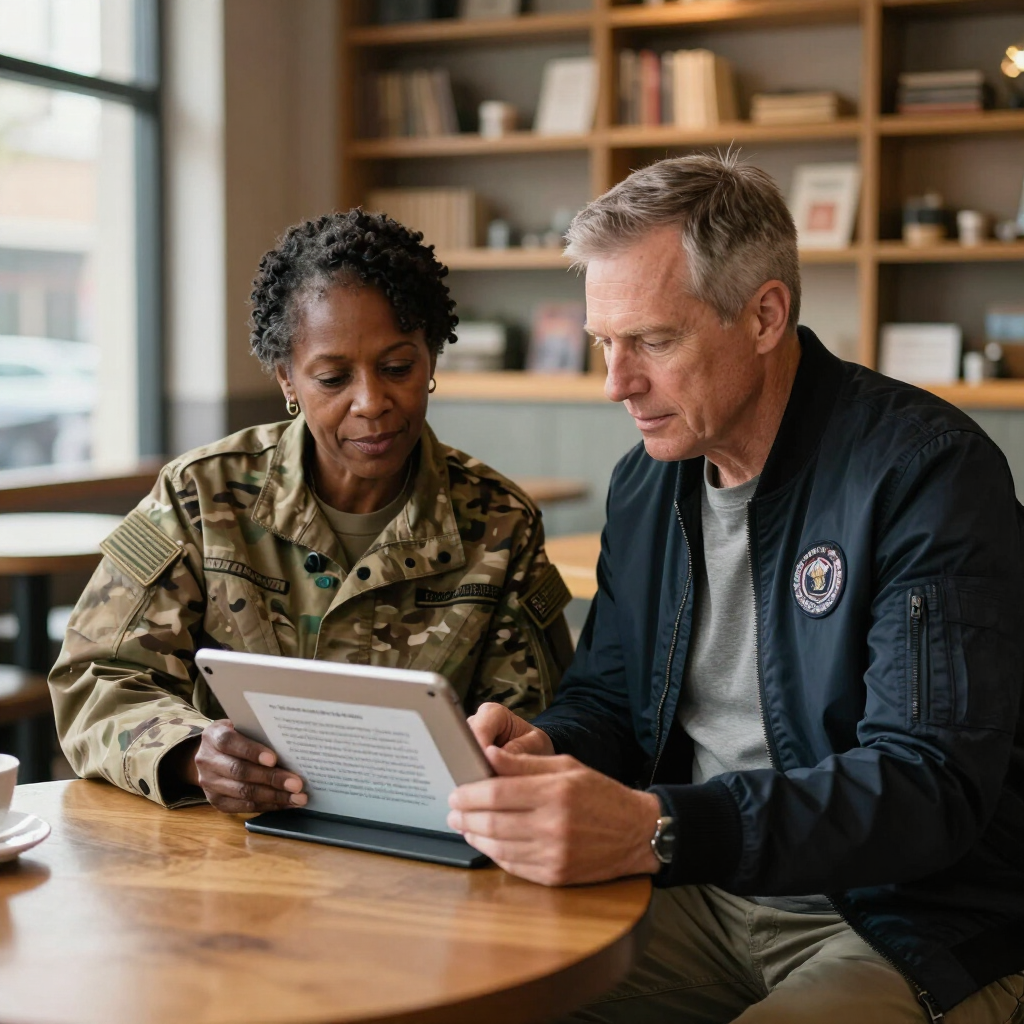
Military service builds valuable skills. With the right support, Veterans can turn those strengths into meaningful civilian careers.

Leaving military service and entering the civilian workforce is a major transition. Veterans bring years of experience, discipline, leadership, teamwork, and problem-solving abilities to the table. Yet translating those skills into civilian job qualifications can sometimes be challenging.
Understanding how military experience applies to civilian careers is an important step toward building a new professional future. At J B Housing Group, Inc., we believe Veterans deserve opportunities to recognize their strengths, develop their skills, and pursue meaningful employment as they work toward long-term stability.
Through workforce development and supportive services, our goal is to help Veterans move forward with greater confidence, direction, and independence.
The Skills Veterans Bring to the Workforce
Military service provides experience that can be valuable across a wide range of industries. Whether a Veteran served in logistics, administration, communications, healthcare, maintenance, transportation, security, or leadership, many of those responsibilities have civilian equivalents.
Veterans may bring strengths such as:
- Leadership and accountability: Experience guiding teams, managing responsibilities, and working toward shared goals.
- Problem-solving: The ability to assess situations, adapt to changing circumstances, and find practical solutions.
- Teamwork and communication: Experience coordinating with others, following procedures, and communicating under pressure.
- Time management and organization: The ability to prioritize tasks, meet deadlines, and manage competing responsibilities.
- Technical and operational knowledge: Training and hands-on experience that may transfer to fields such as transportation, technology, maintenance, healthcare, and operations.
- Resilience and adaptability: Experience navigating change, learning new processes, and remaining focused on objectives.
These skills can be valuable to employers in many industries. The challenge is often learning how to describe military experience in language that civilian employers recognize.
Translating Military Experience Into Civilian Opportunities
Military job titles, ranks, and responsibilities do not always translate directly into civilian job descriptions. A Veteran may have managed personnel, coordinated complex operations, maintained equipment, or trained team members without realizing how closely those responsibilities align with civilian positions.
For example, a Veteran with logistics experience may have skills relevant to supply chain coordination, inventory management, or operations. Someone who led a team may have experience applicable to supervisory positions, project coordination, or team management.
The first step is to identify the responsibilities, accomplishments, training, and certifications gained during service. The next is to connect those experiences to the qualifications employers seek.
Veterans can begin by:
- Identifying transferable skills and relevant accomplishments.
- Researching civilian job titles that match their experience.
- Translating military terminology into clear, employer-friendly language.
- Updating resumes to highlight measurable results and relevant qualifications.
- Preparing interview examples that demonstrate leadership, adaptability, and problem-solving.
- Identifying additional certifications, education, or training that may support career goals.
A well-prepared resume and a clear understanding of one's strengths can help Veterans communicate the value they bring to a prospective employer.
Overcoming Employment Barriers
Even with valuable experience, finding employment can be difficult when other challenges compete for attention.
Some Veterans may need assistance obtaining civilian credentials, accessing transportation, strengthening digital skills, or navigating online job applications. Others may be working to secure stable housing, manage financial responsibilities, access healthcare, or rebuild confidence after a difficult period.
These challenges do not diminish a Veteran's abilities or potential. They can, however, make it harder to focus on career planning and a successful job search.
A supportive approach considers the whole person. Career development may involve setting realistic goals, identifying barriers, connecting with appropriate resources, and building a plan that accounts for each individual's circumstances.
When employment support works alongside housing assistance, case management, and other services, Veterans can work toward career goals while addressing the practical needs that affect their stability.
How Operation Workforce Supports Career Development
J B Housing Group, Inc.'s Operation Workforce program is designed to help eligible Veterans experiencing homelessness or at risk of homelessness work toward employment and greater independence.
The program's approach centers on understanding each participant's background, strengths, goals, and barriers to employment. Rather than treating every job search the same way, career development begins with identifying where a Veteran is today and what support may help them move forward.
Depending on individual needs and available services, support may include:
- Career assessment and planning
- Reviewing work history, military experience, education, credentials, interests, and employment goals to develop an individualized career direction.
- Resume development and interview preparation
- Helping Veterans communicate their experience in civilian terms, highlight relevant qualifications, and prepare to discuss their strengths with potential employers.
- Professional and workplace skills
- Building skills such as communication, digital literacy, time management, problem-solving, and workplace collaboration.
- Employment connections and referrals
- Identifying potential job opportunities and connecting participants with relevant employment resources, training opportunities, or community partners when available.
- Case management and barrier reduction
- Working with participants to identify challenges that may affect employment and connect with appropriate support related to transportation, housing stability, financial literacy, and other needs.
The goal is not simply to help someone find a job. It is to help Veterans develop a practical path toward employment that supports their broader goals for stability and self-sufficiency.
Program services and availability vary by location and individual eligibility. Veterans interested in Operation Workforce are encouraged to contact J B Housing Group to learn more about available support.
Employment and Housing Stability Go Hand in Hand
A reliable source of income can help Veterans manage household expenses, maintain housing, build savings, and plan for the future. At the same time, stable housing can make it easier to attend interviews, maintain a work schedule, and focus on career development.
This is why employment should be viewed as part of a broader path toward stability rather than an isolated goal.
Veterans may need different levels of support at different stages. One person may be ready to begin applying for jobs immediately, while another may need to address housing, healthcare, transportation, or training needs first.
With individualized planning and appropriate resources, each Veteran can work toward progress at a pace that reflects their circumstances and goals.
How Employers and Communities Can Help
Employers, community organizations, and individuals all have opportunities to support Veterans entering or reentering the workforce.
Employers can review military experience with an open mind, recognize transferable skills, and consider how military training may align with civilian positions. Community partners can help connect Veterans with career services, training programs, and professional networks.
Individuals can support the mission by volunteering professional expertise, sharing employment resources, helping raise awareness, or contributing to organizations working to address Veteran homelessness and housing instability.
A strong community support network can help Veterans access opportunities and build connections that extend beyond the job search.
Helping Veterans Move Forward
Veterans have already invested their time, skills, and commitment in serving our nation. As they transition into civilian employment, they deserve the opportunity to build on that experience and pursue a future with purpose and stability.
At J B Housing Group, Inc., we are committed to helping Veterans in Louisiana and Texas access support that encourages housing stability, workforce development, wellness, and greater independence.
A Veteran's next chapter can begin with one opportunity, one connection, or one plan for the future.
Visit JBHousingGroup.org to learn about our mission, explore available services, and discover how you can help Veterans move from service to stability.
From service to stability—helping Veterans transition forward.